
Air compressors work by taking in atmospheric air, reducing its volume via a mechanical piston or screw to increase pressure, and use for industrial equipment. Electric-powered compressors are widely used in production, workshops and garages with permanent access to electricity.
Worldwide , Compressor usages 400 TWh Electricity consumption and producing CO2 emissions of 400 Million Tonnes per year
Useful compressed air energy from compressor
The power of a compressor is measured in HP (horsepower) and CFM (cubic feet per minute of intake air)
During compressor operation, 85% of allied energy is losses in the form of
Heat losses 80 %
Mechanical losses 5 %
Only 15% is converted to useful compressed air energy.
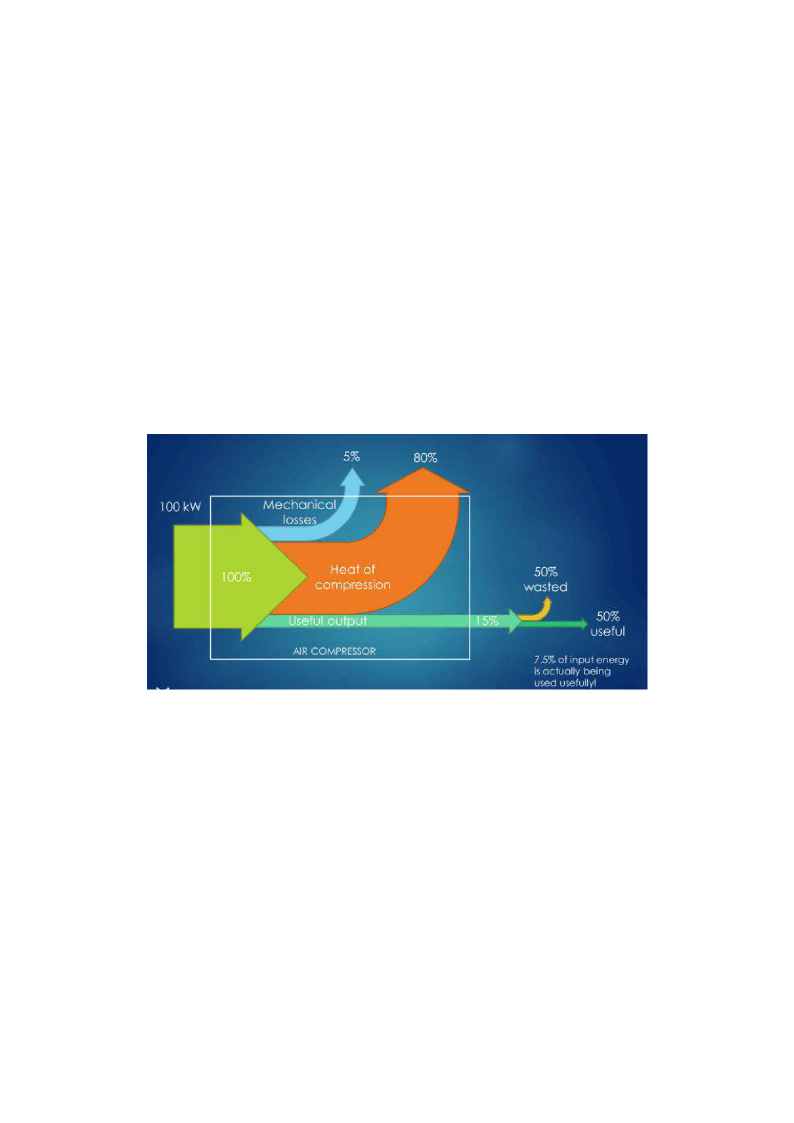
Compressed air utilisation in conventional air system
It is observed that 50% of produced compressed air energy is wasted in the form of
1 - System losses ( 20%)
2 - Poor practise ( 20%)
3 - Artificial demand ( 10%)
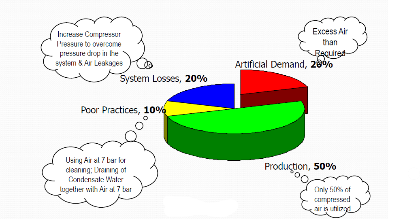
Compressed air costing is high
Example: 500 CFM compressor usages 90kW motor at 70% load factor Content , Running 24 Hrs X 350 Days ; Electricity cost Rs 9.5/kWh
Electricity power required = 5,29,000 kWh /Year
Electricity energy cost: Rs 50L / Year
How to reduce wastage of air consumption in Industry
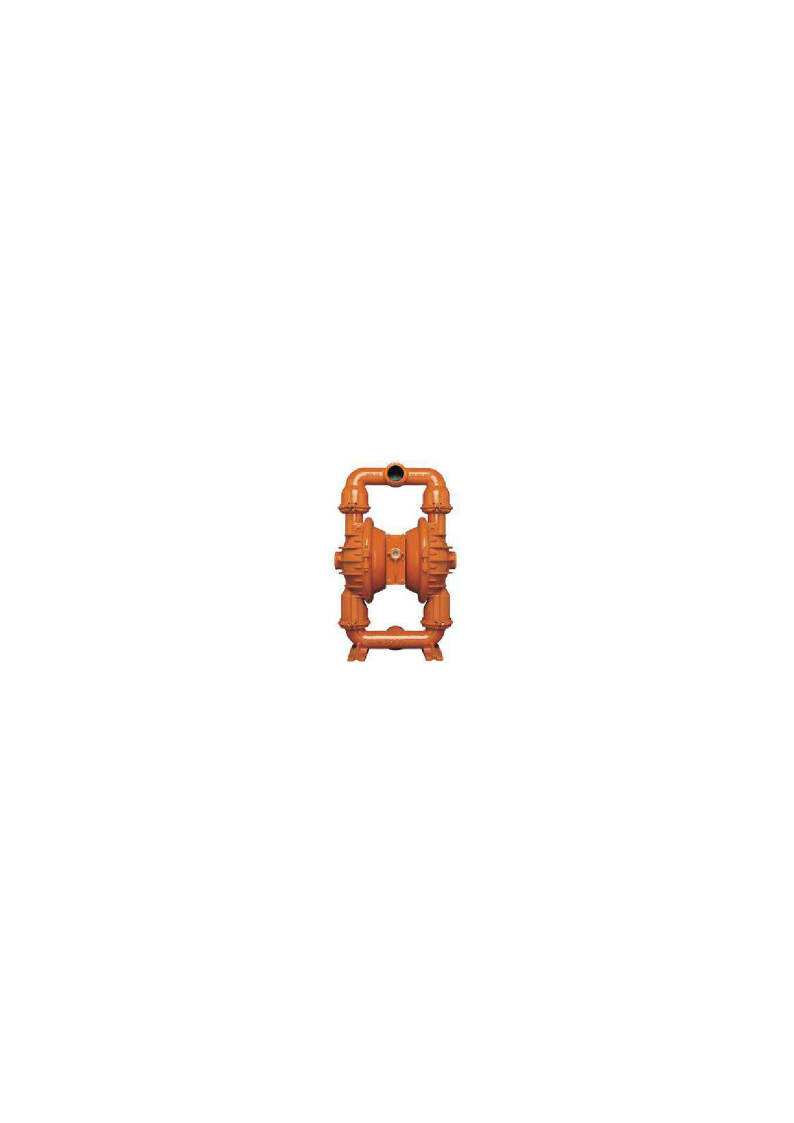
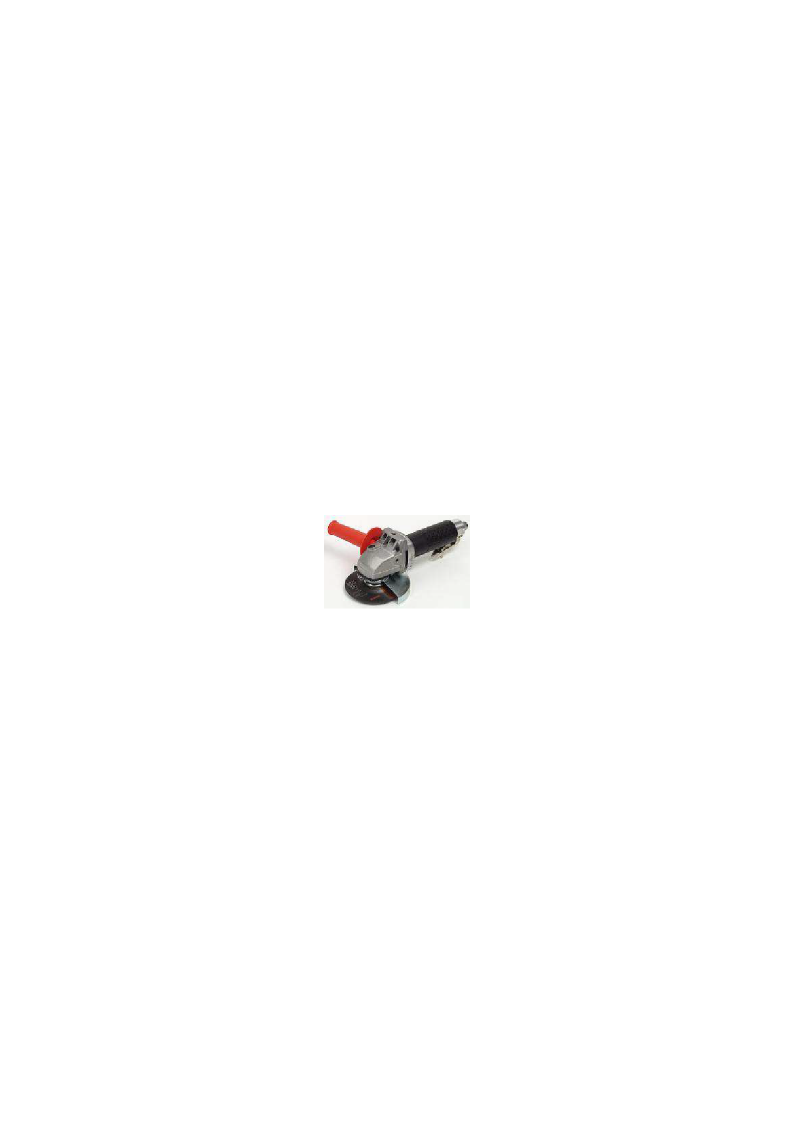
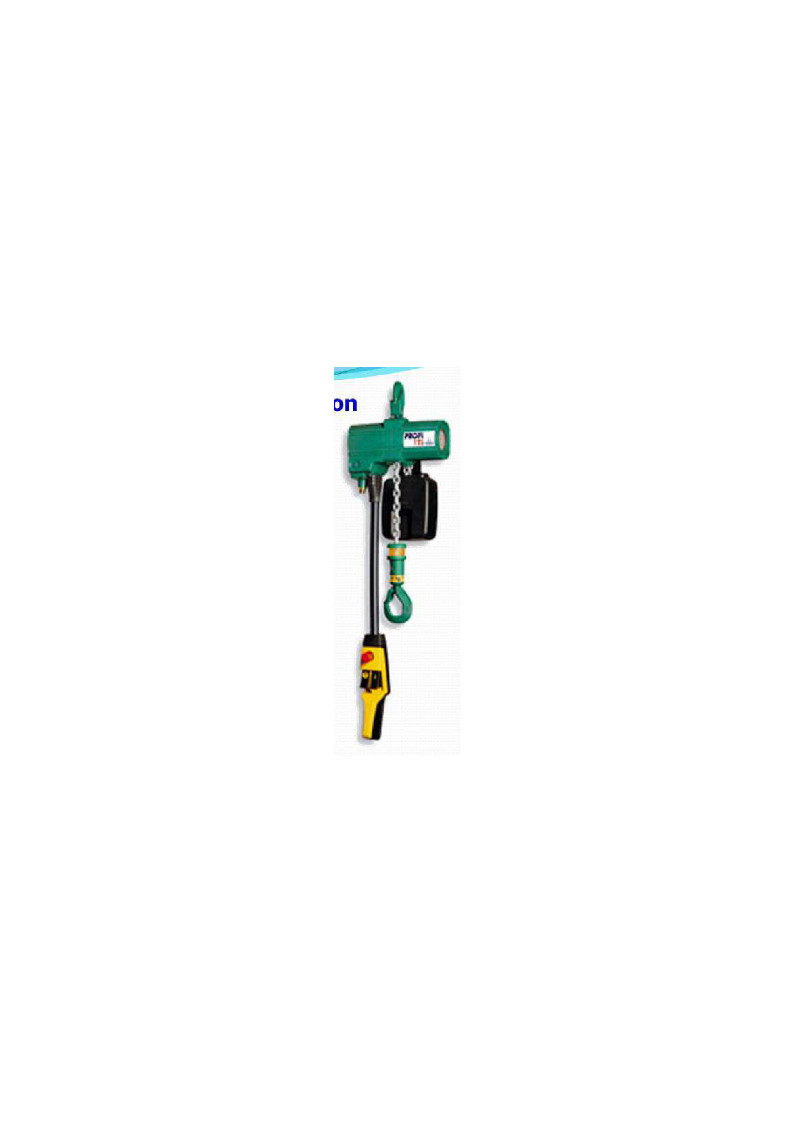
| Wrong selection of equipment | Air Motors and Pumps | Pneumatic Grinder | Pneumatic Drilling machines | Pneumatic Crane |
|---|---|---|---|---|
| Action - Switch to an electric motor (whenever applicable) | Action - Switch to an electric tool | Action - Switch to an electric tool | Action - Switch to electric motor or hydraulic tool | |
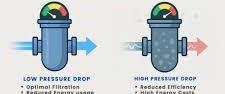
| System loss waste | Air leakage | Pressure loss across filters, Dryer etc | ||
| Action : Periodic checking of air leakage | Action : Flow measurement and control |
Poor practise waste
| Action : Periodic checking of air leakage | Action : Flow measurement and control | |||
|---|---|---|---|---|
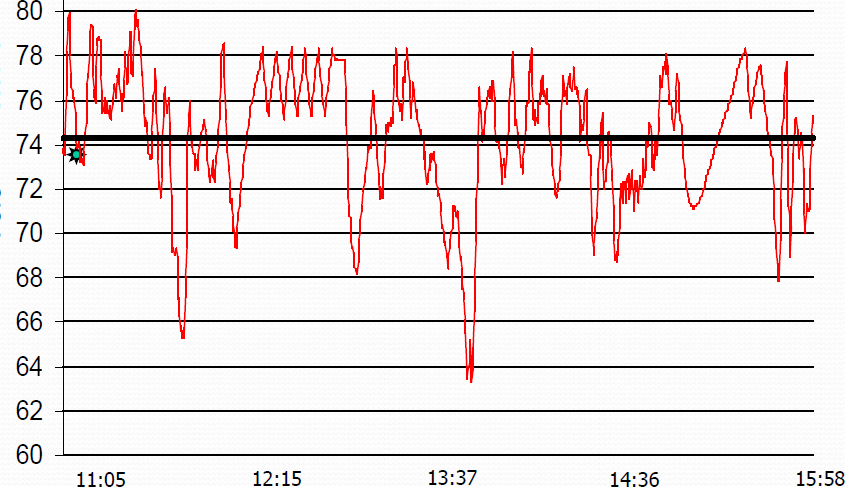
| Artificial demand waste | High pressure air system | Heavy fluctuation demand | ||
| Action : Use booster for high-Pr requirement equipment | Action : Use of Smart flow controller | |||
| Non standard operating condition | Poor Inlet air quality | High temp of compressor room | Air Leakages in machine | Air gun of wide spray |
| Action : Use extra filter and dryer for purification level | Action : Maintain 2 deg C lesser temp than atmosphere | Action : Sectioning valve to close the supply during machine | Action : Choose air gun with efficient air nozzle |


FAQs
How can I immediately reduce my compressed air energy costs?
- Reduce your system pressure. A reduction of just 2 psi cuts costs by 1%; lowering pressure by 1 bar saves approximately 7% in electricity.
- Fix air leaks. A 1 bar reduction also decreases the impact of air leaks by 13%.
What is the best way to manage fluctuating air demand?
Install a Variable Speed Drive (VSD) compressor, which adjusts motor speed to match air demand and eliminates energy waste from idling.
How does maintenance affect energy consumption?
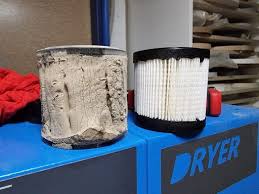
Dirty air filters, old oil, and clogged separators increase pressure drops, forcing the motor to work harder and wasting energy. Clean or replace filters regularly.
Can I save energy by using outside air?
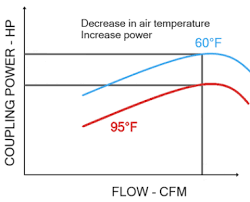
Yes. For every degree rise in inlet air temperature, energy consumption increases by approximately 1% for the same output. Using cooler intake air improves efficiency.
What is the benefit of a central controller?
A central controller enables multiple compressors to run within a narrow pressure band, matching system needs precisely and minimising wasted energy.
Should I turn off my compressor or dryer at night?
Yes — shutting equipment down when not in use saves energy. Refrigerated dryers may need around 30 minutes to cool down again before production resumes.
What is heat recovery in compressed air systems?
Approximately 90% of the electrical energy used by a compressor is converted into heat. A heat recovery system captures this heat for space heating or hot water, increasing overall system efficiency.