VASA Neo Tech

Lighting

Ajit Vasant Patil · Energy Manager (BEE)

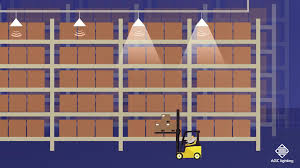
Illustration

Energy savings in lighting is possible using energy efficient equipment, effective controls, and careful design.

Using less electric lighting reduces heat gain, thus saving air-conditioning energy and improving thermal comfort.

Maintain adequate and appropriate illumination while controlling reflection and glare.

Use of energy efficient lighting and affordable lighting control technology to reduce energy consumption
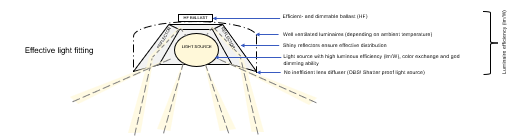
Illustration

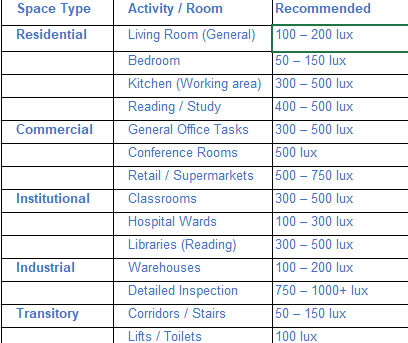
Lighting lux level

Lighting requirement is finalised as per illumination required.

The standard illumination requirements are defined as per standard

Each section should be controlled by an automatic demand control and daylight compensation system
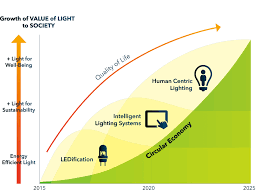
Lighting control

Lighting control

Lighting control

Lighting control

The principle of dividing lighting into sections can be used. Warehouse light control using sensors

Also emphasize the use of Timer, Dimmer, presence detectors, light detectors

It will automatically turn of lights on non working area and reduce the light during hours with day light.
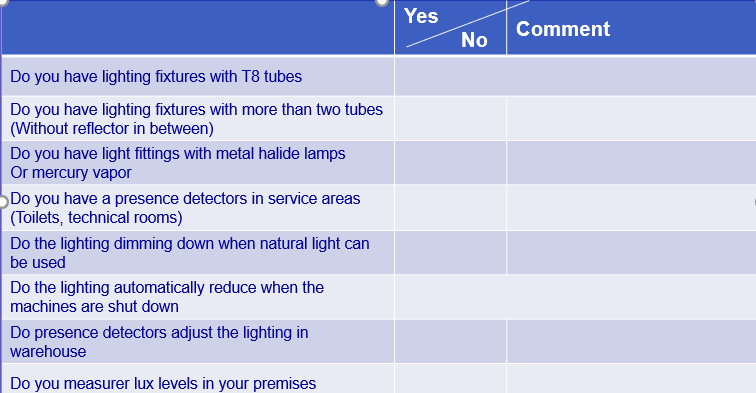

Lighting control

New lighting selection criteria

New lighting selection criteria

New lighting selection criteria

Light from one Watt electric power Lamp Lumen Maintenence Energy efficient a luminaire

Requirement on the lighting Good lamp - emitting 90% at the end of its lifespan Sealed luminaires, Rreflector, lens diffuser
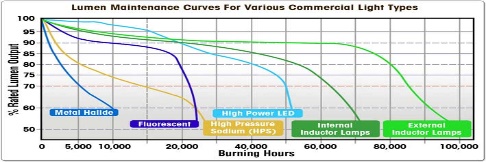
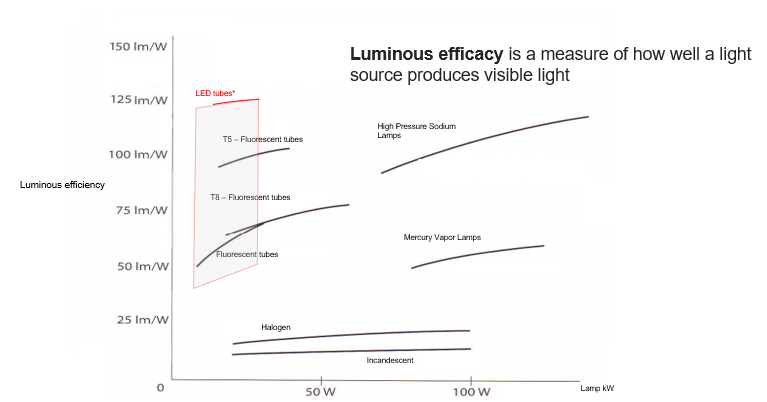
factors that have an impact on the decision of lighting sources

Requirements (lux levels, food safety and BRC certification etc.)

Placement (height, room layout, flexibility, availability, uniformity etc.)

Ambient Conditions (temperatures, surface color etc.)

Quality (life time, efficiency, glare, maintenance factor, weight, shatter proof, Correlated Colour Temperature etc.)

Control potential (sectioning, operating hours, amount of daylight etc.)

Economy (ROI, warranty etc.)

Illumination reference

Avg lighting load is 5%

| Lighting in commercial buildings compered to industrial buildings and warehouses is usually based on function, appearance and design. | Space Type | Activity / Room | Recommended | | --- | --- | --- | --- | | Lighting in industrial buildings is all about function and low costs. | Residential | Living Room (General) | 100 – 200 lux | | Bedroom | 50 – 150 lux | | | | Kitchen (Working area) | 300 – 500 lux | | | | Reading / Study | 400 – 500 lux | | | | Commercial | General Office Tasks | 300 – 500 lux | | | Conference Rooms | 500 lux | | | | Retail / Supermarkets | 500 – 750 lux | | | | Section the lighting according to working areas | Institutional | Classrooms | 300 – 500 lux | | Reduce the use of artificial lighting wherever possible | Hospital Wards | 100 – 300 lux | | | Separate task lighting and general lighting | Libraries (Reading) | 300 – 500 lux | | | Periodic cleaning of light fitting | Industrial | Warehouses | 100 – 200 lux | | Switch to more efficient light sources | Detailed Inspection | 750 – 1000+ lux | | | Transitory | Corridors / Stairs | 50 – 150 lux | | | Lifts / Toilets | 100 lux | | |

Lighting is not just a high priority when building new factories; it is also a high return, low-risk investment. By installing new lighting technologies, industries can reduce the amount of electricity consumed and energy costs associated with lighting.

Avg lighting load is 5%

Back to articles